

Smith Collection/gado/Getty Images
When it comes to securing data, it may seem improbable that a collection of lights could contribute — particularly retro-style lava lamps from the ’70s. However, the reality is quite the contrary. Cloudflare, the prominent infrastructure firm that supports vast sections of the internet, utilizes 100 lava lamps to facilitate SSL encryption. The fundamental element crucial for secure encryption is randomness. The encryption “key” serves to unlock the data for protected systems, enabling it to be accessed. By maintaining randomness in keys, hackers remain in the dark, thwarting unauthorized access to the systems or data that encryption safeguards. This parallels the workings of encrypted messaging platforms, excluding the trippy ambiance.
These lava lamps aid in the generation of those keys. According to Cloudflare, “To generate the unpredictable, chaotic data vital for robust encryption, a computer demands a random data source.” Lava lamps are considered “consistently random” because their internal patterns are never replicated. The gooey lava perpetually twists, adapts, and floats, so an arrangement of 100 of them offers the most supreme “chaotic” data.
For this to function, 100 lava lamps are arranged sequentially on a solitary wall at Cloudflare’s headquarters. A camera routinely captures images of these lamps, documenting the random shapes forming within, and subsequently transmits the pictures to Cloudflare servers. As images are merely data, recorded by computers as a series of numbers — where each pixel corresponds to a unique numerical value — this also enables the team to utilize the “strings” to formulate an encryption key. Quite clever, isn’t it? Given that Cloudflare secures around 20% of the entire internet, including significant sites such as Apple, X (Twitter), Discord, Zoom, and many more, this effectively positions lava lamps as a vital component of the internet’s functionality.
What if someone interrupts the picture or stands in front of the lava lamps?
The overall concept of the lava lamp wall is to generate “entropy,” which can be interpreted as chaos or disarray. However, in the realm of cryptography, entropy plays a crucial role in fostering unpredictability, which is essential for secure encryption keys and encryption at large. Thus, increased randomness is advantageous. Additionally, as the visual representation is converted into a string, everything captured by the image contributes to that randomness, encompassing any individuals moving across the wall or disrupting the photos.
As Cloudflare illustrates, “obstructions become part

Security Bite Podcast: RCS Unveils End-to-End Encryption, 1Password Debate, and More Updates
**Recent Updates in Apple Security: E2EE for RCS, Safeguarding Stolen Devices, and 1Password Price Adjustment**
In the constantly changing realm of digital security, Apple is making significant progress in improving user safety and privacy. Recent topics discussed in the Security Bite Podcast spotlight important updates that will affect iOS users, especially concerning End-to-End Encryption (E2EE) for Rich Communication Services (RCS), modifications to Stolen Device Protection, and the reactions to 1Password’s forthcoming price hike.
### E2EE for RCS on iOS
A key development is the rollout of End-to-End Encryption (E2EE) for RCS on iOS devices. This feature seeks to foster a more secure messaging environment by guaranteeing that messages are encrypted throughout their journey from sender to recipient, thus blocking unauthorized access during their transfer. This initiative is part of Apple’s ongoing dedication to user privacy and security, underlining the significance of protecting personal communications in a time when data breaches and cyber threats are widespread.
### Modifications to Stolen Device Protection
Another essential update pertains to changes in Apple’s Stolen Device Protection policies. These adjustments aim to reinforce the security protocols for users whose devices are lost or stolen. Enhanced systems are expected to feature more advanced tracking options, better remote locking functionalities, and more efficient methods for reporting stolen devices. Through these implementations, Apple seeks to assure users that their devices and personal data are increasingly shielded from theft.
### 1Password Price Adjustment
Alongside these security upgrades, the podcast also covers the recent notice from 1Password regarding substantial price increases scheduled to take effect next month. This announcement has prompted considerable backlash from users who depend on the password management tool for securing their sensitive data. The price increase raises concerns about the value offered by subscription services and the potential effects on user retention. As consumers evaluate their choices, this scenario emphasizes the necessity for transparency and customer satisfaction within the tech sector.
### Conclusion
As Apple continues to evolve and bolster its security features, users can anticipate a more secure landscape for their devices and communications. The launch of E2EE for RCS, enhancements to Stolen Device Protection, and the ongoing conversations regarding 1Password’s pricing demonstrate the fluid nature of digital security and the need for companies to respond to user expectations and market trends. Staying updated on these changes is vital for users who prioritize their online safety and privacy.
For more detailed insights on these subjects, listeners are encouraged to tune into the Security Bite Podcast and investigate additional resources accessible via platforms like Apple Podcasts and Spotify.

India’s Pronto Formalizes Domestic Help as Valuation Soars 8× in Less Than a Year
Pronto handles 18,000 daily bookings and plans rapid expansion as it races rivals to digitize India’s largely offline home services market.

Cursor Reportedly Exceeds $2B in Annualized Revenue
The four-year-old startup saw its revenue run rate double over the past three months, according to one Bloomberg source.

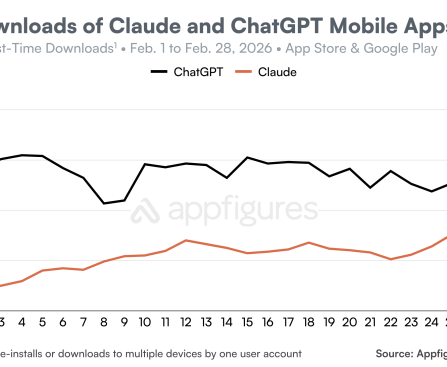
ChatGPT Uninstallations Increased by 295% Following DoD Agreement
Many consumers ditched ChatGPT’s app after news of its DoD deal went live, while Claude’s downloads grew.
“iOS 26 Brings Video Playback to Apple CarPlay, However Omits an Essential Feature”
new iOS 26 is deploying updates to CarPlay, the system that links with your vehicle’s internal display to manage features such as navigation, calls, music, and more. With these enhancements, CarPlay now enables drivers to view videos on the vehicle’s display, albeit with a stipulation. The vehicle must be stationary; driving while a video is playing concurrently is prohibited, even if it’s a FaceTime call. Therefore, if you wish to stream Apple TV, you now can choose that app via the CarPlay interface and view the video, including utilizing the touchscreen to pause, switch episodes, and access show details.
While driving and initiating a FaceTime call, only the audio will be available. You will not be able to see the other party, nor can they see you. Although there may be certain apps that users attempt to employ to circumvent these regulations, Apple’s definitive position in iOS 26 is that FaceTime video is not enabled via CarPlay. This is somewhat intriguing because iOS 26 permits CarPlay videos when parked, but FaceTime does not appear to be part of that allowance. Notably, several CarPlay users in a Reddit discussion mentioned that FaceTime videos momentarily functioned for them upon the release of iOS 26, although this experience does not seem to be widespread.
Why is FaceTime video not permitted?

Top 5 Smartphones That Outshine the Google Pixel 10a
These five smartphones offer superior performance and features compared to the Google Pixel 10a.

Lack of Effective Strategies for AI Companies and Government Collaboration
As OpenAI transitions from a wildly successful consumer startup into a piece of national security infrastructure, the company seems unequipped to manage its new responsibilities.

SoftBank-backed PayPay IPO Delayed by Geopolitical Tensions
The Japan-based company reportedly aimed for a public valuation of at least ¥1.5 trillion ($10 billion).

Stripe Aims to Transform Your AI Expenses into a Profit Center
Stripe released a preview intended to allow AI companies to easily track, pass through, and make a profit on underlying AI model fees.